Fire mitigation · Use case · July 2026
EPSS Coordination with SGS Fault Indicators
Download documentWildfires caused by electrical faults remain a critical concern for utilities, especially in dry and high-risk environments. The problem has been highly visible in California, where utility-caused wildfires account for less than ten percent of total wildfires yet are responsible for a disproportionate share of the state’s most destructive fires, according to the California Public Utilities Commission (CPUC). The underlying risk exists wherever overhead lines run through fire-prone terrain. Arcing and other fault conditions can ignite fires in a matter of seconds if not cleared quickly.
To reduce this risk, utilities are deploying Enhanced Powerline Safety Settings (EPSS), which trip circuits at extremely fast speeds to minimize fault duration and reduce ignition potential. However, even after EPSS operates, the risk is not fully eliminated.
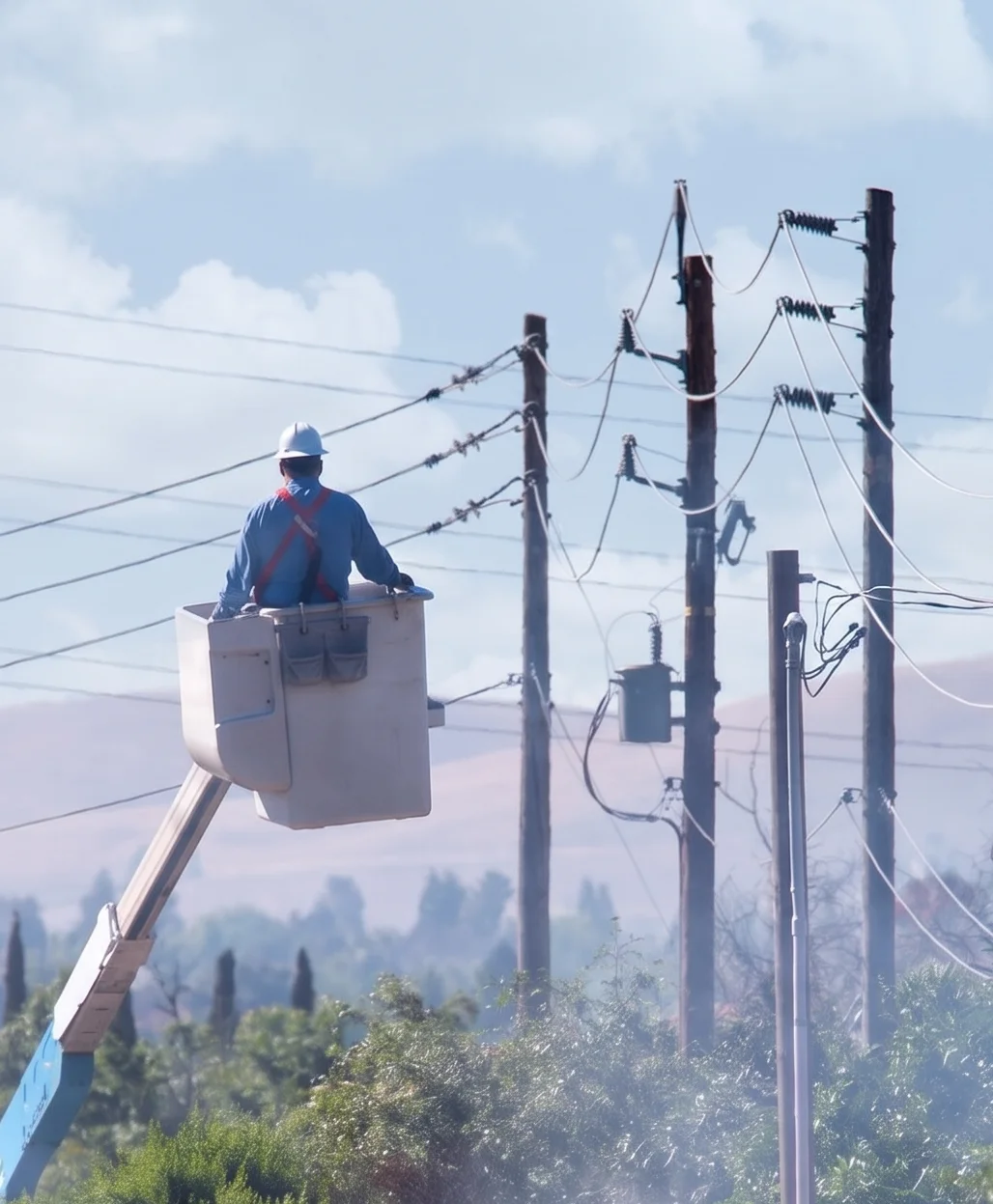
Utilities must still locate and inspect the fault to confirm that no fire has started and that the line is safe. Without clear visibility into where the fault occurred, crews are forced to patrol long stretches of line. This delays response time, increases operational costs, and strains already limited field resources during critical response windows.
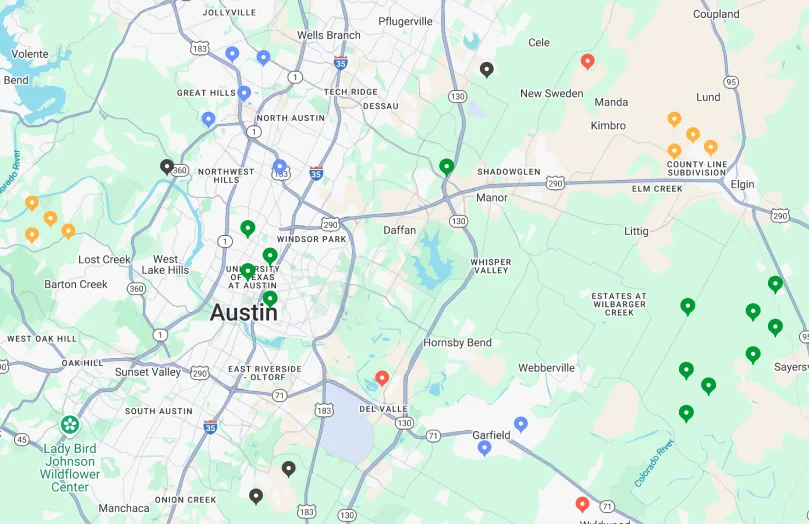
At the same time, utilities are investing heavily in wildfire mitigation programs such as weather monitoring, fire modeling, inspections, and grid hardening. Despite these advancements, many still lack accurate visibility into the location of these faults – a critical gap in overall situational awareness.
This challenge is further compounded by traditional fault indicators, which often fail to detect these events. Because EPSS clears faults so quickly, many conventional devices do not capture the fault current, leaving utilities without the information needed to locate the issue.
Improving fault visibility and response
Wildfire mitigation efforts reduce ignition risk, but effective response depends on the ability to quickly detect and locate fault events.
Utilities need solutions that can
- Detect fault events reliably across varying conditions
- Provide clear visibility into the faulted section of line
- Enable faster, more targeted response
Fault detection and location with SGS
SGS overhead and underground fault indicators are designed specifically for high-speed protection environments, with standard devices capable of detecting fault currents in trips as fast as a half cycle — well within the window of most EPSS operations. For utilities running EPSS configurations with reduced pickup thresholds for recloser operations, SGS offers a dedicated EPSS response program that ensures reliable fault indication even at lower-than-normal current levels.
This enables crews to
- Quickly narrow down the faulted section of line
- Inspect and mitigate potential fire starts faster
- Reduce unnecessary and time-consuming patrols
- Safely restore power with confidence
Patrolman Plus
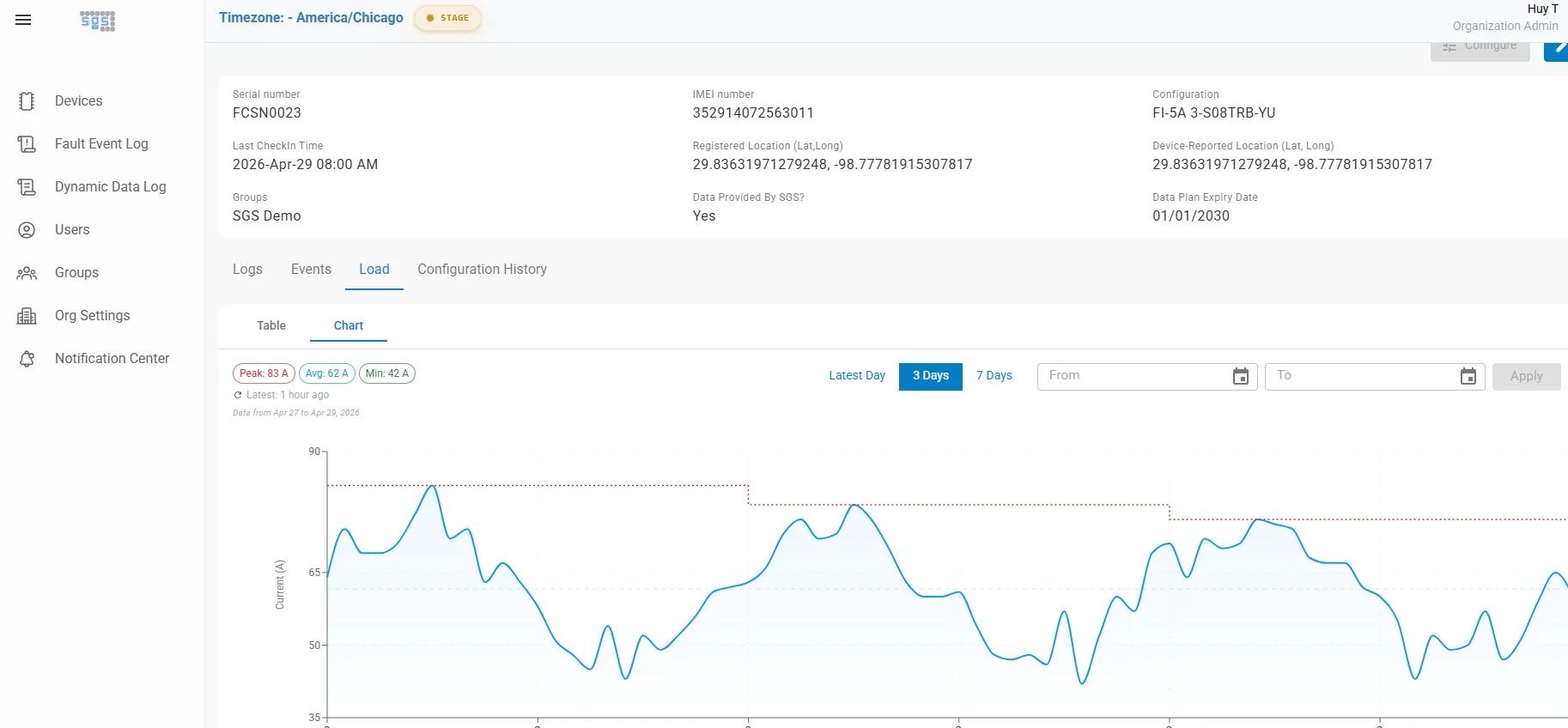
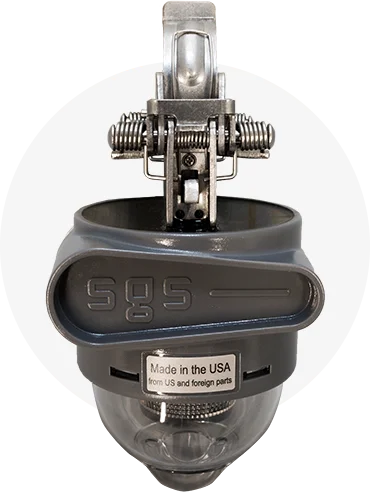
For an even faster response, the Patrolman Plus communicating fault indicator transmits an alert to dispatch and field crews immediately after a fault occurs — eliminating the need for a crew to patrol the line for flashing indicators. This alert allows crews to be deployed quickly and directly to the faulted section, reducing the time between the fault event and boots on the ground.
By capturing fast-clearing faults and providing clear location visibility, SGS fault indicators help utilities improve reliability and quickly locate, inspect, and mitigate potential fire risks.